
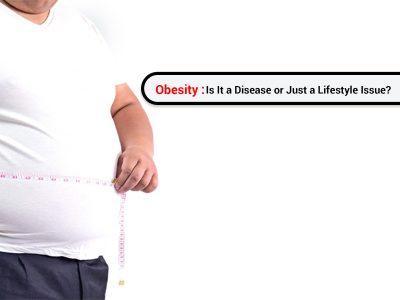
Obesity is often misunderstood as a simple result of overeating or lack of exercise, but medical science tells a very different story. Many people searching is obesity is a disease or a lifestyle condition in Vizag are actually seeking clarity, not judgment. Obesity is not just about body weight; it is a complex condition that affects how the body regulates hunger, metabolism, fat storage, and energy use. Over time, these internal systems change in ways that make weight loss increasingly difficult, even for highly motivated individuals.
When we ask is obesity a medical condition, the scientific answer is yes. Obesity alters hormonal signaling, brain chemistry, and metabolic rate. Once these changes occur, the body begins to defend its higher weight, resisting weight loss through increased hunger and reduced calorie burning. This is why many people experience repeated failures despite sincere lifestyle efforts. These failures are not due to lack of discipline, they are biological responses.
In Visakhapatnam, rising obesity rates are often blamed on modern lifestyle habits, but lifestyle alone does not explain why obesity persists. Two people may follow the same diet and exercise routine, yet achieve completely different outcomes. This inconsistency highlights why obesity is not just a lifestyle choice is an important concept. Recognizing obesity as a disease allows individuals to seek appropriate care rather than blame themselves.
Understanding obesity correctly is the foundation for effective obesity treatment in Vizag, shifting the focus from guilt to science-based solutions.
Obesity Lifestyle vs Medical Condition – Why the Confusion Exists
The debate around obesity, lifestyle vs medical condition,n exists because lifestyle factors are visible and easy to blame. Diet, physical activity, sleep, and stress do influence body weight, but they are only part of the picture. If obesity were purely a lifestyle issue, then lifestyle modification would work equally well for everyone. In reality, this is not the case.
Medical research shows that once obesity develops, the body undergoes long-term biological changes. Hormones such as leptin and ghrelin responsible for hunger and fullness, stop working normally. The brain receives faulty signals, causing constant hunger even when the body has enough energy stored. Metabolism slows, making calorie burning less efficient. These changes explain why weight regain is common and why obesity behaves like a chronic illness.
This is why obesity as a disease in Visakhapatnam is increasingly recognized by healthcare professionals. Treating obesity purely with diet advice ignores these physiological adaptations. Lifestyle changes remain important, but they must be supported by medical understanding and long-term management strategies.
A structured medical approach, such as medical obesity management in Vizag, helps patients understand why their bodies resist weight loss. Through proper evaluation, like the process followed during an obesity evaluation at Dr. ShapeX, patients gain clarity about whether their weight struggle is driven by hormones, metabolism, genetics, or medical conditions rather than personal failure.
Causes of Obesity Beyond Lifestyle Choices
One of the most important shifts in modern medicine is acknowledging the causes of obesity beyond lifestyle. Genetics plays a significant role in determining how easily a person gains weight and how difficult it is to lose it. Some individuals are genetically predisposed to store fat more efficiently or have slower metabolic rates, regardless of diet quality.
Hormonal disorders are another major contributor. Conditions such as hypothyroidism, insulin resistance, polycystic ovary syndrome (PCOS), and cortisol imbalance directly affect fat storage and energy use. These are well-documented medical reasons for obesity, yet they are often overlooked. In such cases, reducing calories alone does not correct the underlying problem.
Insulin resistance deserves special attention. When insulin levels remain high, fat breakdown is blocked, keeping the body in storage mode. Chronic stress, poor sleep, certain medications, gut microbiome changes, and inflammation also contribute to weight gain. These factors explain why many people experience obesity even when their lifestyle appears healthy.
Understanding these medical contributors is essential for effective obesity treatment in Vizag. Without identifying and addressing these hidden causes, treatment becomes a cycle of temporary success followed by relapse. Recognizing obesity as a medical condition ensures patients receive evaluation and care based on science, not assumptions.
Chronic Obesity Disease Explanation – Why Weight Keeps Returning
A proper chronic obesity helps people understand why weight loss is so hard to maintain. Obesity is classified as a chronic, relapsing disease because it persists over time and requires long-term management. When body fat increases, the brain adapts to this higher weight as the new normal. This is known as the set point.
After weight loss, the body responds defensively. Hunger hormones increase, fullness signals weaken, and metabolism slows. These changes can last for years, making recovery highly likely. This is not a failure of motivation; it is the biology of obesity.
Repeated cycles of dieting and regaining weight often worsen the problem. Each cycle can increase fat storage efficiency and reduce metabolic rate further. This is why many people feel trapped despite years of effort. Understanding this process reinforces that obesity is not just a lifestyle choice but a medical reality.
Long-term obesity management in Visakhapatnam focuses on stabilizing weight, improving metabolic health, and reducing complications rather than chasing rapid results. Like diabetes or hypertension, obesity requires ongoing care, monitoring, and adjustment of treatment strategies.
Obesity Treatment in Vizag – A Medical Management Approach
Effective obesity treatment in Vizag treats obesity as a disease, not a character flaw. Medical management begins with a detailed assessment of metabolic health, hormonal balance, lifestyle patterns, and medical history. This approach allows doctors to identify why weight gain occurred and why it persists.
A qualified weight loss doctor in Visakhapatnam does not rely on generic diet charts. Instead, treatment may include medical nutrition therapy, behavioral support, metabolic correction, and long-term monitoring. The goal is sustainable improvement in health, energy, mobility, and quality of life not just a lower number on the scale.
Patients who undergo structured care through medical obesity management in Vizag often experience better outcomes because treatment is individualized. An ethical and comprehensive process, such as the evaluation approach used at Dr. ShapeX, helps patients understand their condition clearly and set realistic expectations.
This medical model reduces stigma, improves adherence, and supports long-term success by addressing the true drivers of obesity.
Conclusion
The evidence shows it is both but primarily a chronic medical disease influenced by lifestyle, not caused solely by it. Lifestyle choices matter, but they operate within a biological system shaped by genetics, hormones, and metabolism.
Viewing obesity only as a lifestyle issue leads to blame, frustration, and ineffective treatment. Recognizing it as a disease empowers individuals to seek proper care, just as they would for any other chronic condition. This perspective supports compassion, science-based treatment, and long-term health improvement.
If you are seeking evidence-based, compassionate obesity treatment in Vizag, consider a structured obesity evaluation at Dr. ShapeX. Consulting an experienced weight loss doctor in Visakhapatnam can help you understand the real causes of weight gain and create a sustainable path toward better health and confidence.
(FAQs)
1. Is obesity a disease or lifestyle condition?
Obesity is a chronic medical disease influenced by lifestyle, genetics, hormones, and metabolism.
2. Is obesity a medical condition?
Yes. Medical organizations worldwide recognize obesity as a disease with serious health risks.
3. What are the medical reasons for obesity?
Hormonal disorders, insulin resistance, genetics, medications, stress, and metabolic changes.
4. Why do lifestyle changes alone fail for obesity?
Because biological adaptations resist weight loss once obesity is established.
5. What is the best obesity treatment in Vizag?
A medically supervised, long-term management approach tailored to individual health needs.
6. When should I seek medical obesity management?
If repeated diet and exercise attempts have failed or weight keeps returning.